
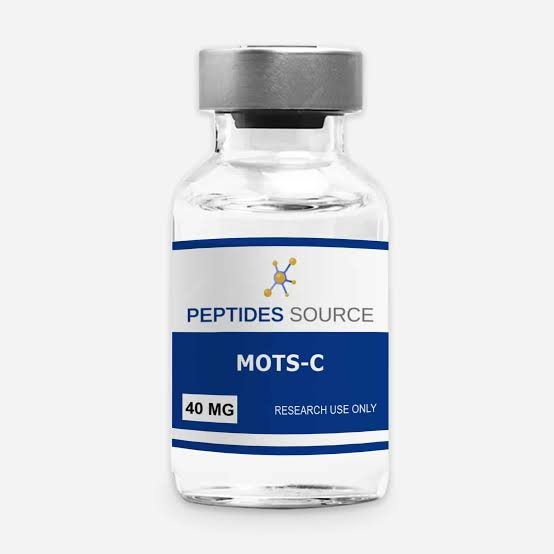

Buy MOTs-C 40mg online
Description
MOTS-C (Mitochondrial ORF of the 12S rRNA Type-C) is a notable 16-amino acid peptide discovered in 2015 by researchers at USC Davis School of Gerontology. This mitochondrial-derived peptide with the sequence MRWQEMGYIFYPRKLR represents a new class of therapeutic compounds that bridge cellular energy production with whole-body metabolism.
Unique Mitochondrial Origin
Unlike traditional synthetic peptides, MOTS-C is encoded by the mitochondrial MT-RNR1 gene, making it a naturally occurring cellular messenger that communicates between mitochondria and the nucleus. This unique origin allows MOTS-C to directly influence cellular energy production and metabolic regulation at the most fundamental level.
What is MOTS-C?
Molecular Structure and Properties
MOTS-C is a 16-amino acid peptide with the molecular formula C101H152N28O22S2 and a molar mass of 2174.62 g??mol?1. This compact yet potent peptide is naturally encoded by mitochondrial DNA, specifically the MT-RNR1 gene, representing one of the first discovered mitochondrial-derived peptides with systemic metabolic effects.
Discovery and Research Background
Discovered in 2015 by Changhan Lee and colleagues, MOTS-C represents an advance in understanding how mitochondria communicate with the rest of the cell and body. Research has demonstrated that MOTS-C is upregulated in response to exercise and functions as an exercise mimetic, providing metabolic benefits similar to those achieved through physical activity.
Mechanism of Action
MOTS-C regulates metabolism primarily through its interaction with casein kinase 2 and by influencing glucose metabolism in skeletal muscle tissue. The peptide enhances mitochondrial function, improves cellular energy production, and promotes metabolic homeostasis through multiple pathways involved in energy utilization and storage.
MOTS-C Benefits and Effects
Enhanced Metabolic Function
MOTS-C significantly improves metabolic efficiency by optimizing cellular energy production and utilization. Users typically experience enhanced fat oxidation, improved glucose metabolism, and better overall energy levels. The peptide helps restore metabolic flexibility, allowing cells to efficiently switch between different fuel sources based on availability and demand.
Exercise Mimetic Properties
Research demonstrates that MOTS-C functions as an exercise mimetic, providing benefits similar to physical exercise at the cellular level. This includes improved mitochondrial biogenesis, enhanced oxidative capacity, and increased energy production efficiency. These effects make MOTS-C particularly valuable for individuals looking to enhance their exercise performance or those unable to engage in intensive physical activity.
Physical Fitness and Performance
Studies in animal models have shown that MOTS-C administration leads to improved physical fitness, increased endurance capacity, and enhanced recovery from physical stress. The peptide appears to optimize muscle metabolism and improve the efficiency of energy utilization during both exercise and rest periods.
Anti-Aging and Longevity Support
MOTS-C has demonstrated potential anti-aging effects by supporting mitochondrial health and function, which naturally decline with age. The peptide may help maintain cellular energy production, reduce oxidative stress, and support the metabolic processes crucial for healthy aging and longevity.
MOTS-C Side Effects and Safety
Current Safety Profile
MOTS-C appears to be generally well-tolerated in research settings, with most studies reporting minimal adverse effects. As a naturally occurring peptide, it may have fewer side effects compared to synthetic compounds. However, human safety data remains limited due to the peptide’s recent discovery and ongoing research status.
Potential Side Effects
Possible side effects may include mild injection site reactions, temporary changes in energy levels during adaptation, and individual variations in response. Some users may experience initial fatigue as cellular metabolism adjusts to enhanced mitochondrial function. Rare reports include mild digestive changes or temporary alterations in sleep patterns.
Important Safety Considerations
MOTS-C is not approved for human therapeutic use and lacks extensive human clinical trial data. The peptide is currently banned by the World Anti-Doping Agency (WADA) as of 2024, making it prohibited for competitive athletes. Users should be aware of the experimental nature of MOTS-C and consider potential regulatory and health implications.
Main MOTS-C Use Cases
Metabolic Optimization
MOTS-C is primarily used for comprehensive metabolic enhancement, helping individuals optimize their body’s energy production and utilization systems. This includes improving metabolic flexibility, enhancing fat oxidation capacity, and supporting healthy glucose metabolism for better overall metabolic health.
Performance Enhancement Research
Researchers and biohackers use MOTS-C to study its exercise mimetic properties and potential performance benefits. The peptide’s ability to enhance mitochondrial function makes it of interest for endurance improvement, recovery enhancement, and overall physical performance optimization.
Age-Related Metabolic Decline
Individuals experiencing age-related decline in metabolic function may use MOTS-C to support mitochondrial health and maintain energy levels. The peptide’s potential anti-aging properties make it of interest for longevity-focused protocols and healthy aging support.
Research and Experimental Applications
MOTS-C is frequently used in research settings to study mitochondrial function, metabolic regulation, and the relationship between cellular energy production and systemic health. Its unique mitochondrial origin makes it valuable for understanding cellular communication pathways.
MOTS-C Dosage Guidelines
Research-Based Dosing Protocols
Based on available research, MOTS-C dosing typically ranges from 5-10mg daily, though optimal human dosing remains under investigation. Most research protocols use doses calculated based on animal studies, with adjustments made for human body weight and metabolic factors.
Conservative Starting Approach
New users should start with lower doses (2-5mg) to assess individual tolerance and response. The peptide’s effects may be cumulative, requiring several days to weeks of consistent use to achieve optimal benefits. Gradual dose escalation allows for better assessment of individual response patterns.
Administration Timing
MOTS-C is typically administered once daily, with many users preferring morning administration to align with natural circadian metabolic rhythms. Some protocols suggest pre-exercise administration to potentially enhance the exercise-mimetic effects, though optimal timing remains under investigation.
MOTS-C Cycle Guidelines
Research Cycle Protocols
Most research protocols use MOTS-C for periods ranging from 4-12 weeks, followed by assessment periods to evaluate effects and determine continuation. The relatively recent discovery of MOTS-C means optimal cycling protocols are still being established through ongoing research and user experience.
Long-Term Use Considerations
Given MOTS-C’s natural occurrence in the body, some researchers suggest it may be suitable for longer-term use compared to synthetic compounds. However, cycling approaches of 6-8 weeks followed by 2-4 week breaks are commonly used to assess ongoing need and prevent potential tolerance.
Monitoring and Assessment
Users should monitor metabolic markers, energy levels, and physical performance throughout MOTS-C cycles. Regular assessment helps determine optimal cycle length and dosing while identifying any need for protocol adjustments based on individual response patterns.
MOTS-C Administration Guide
Injection Methods
MOTS-C is typically administered via subcutaneous injection, usually in the abdomen or thigh area. The peptide may also be suitable for intramuscular injection, though subcutaneous administration is most common in research protocols. Proper sterile technique and injection site rotation are essential for safe administration.
Preparation and Storage
MOTS-C requires careful handling and preparation, typically supplied as a lyophilized powder that must be reconstituted with bacteriostatic water or sterile water. Once reconstituted, the peptide should be stored in the refrigerator and used within the recommended timeframe to maintain potency.
Administration Schedule
Most protocols use once-daily administration, though some research suggests twice-daily dosing may be beneficial for certain applications. Consistency in timing and preparation is important for optimal results and accurate assessment of the peptide’s effects.
MOTS-C Treatment Duration
Initial Assessment Periods
Initial MOTS-C treatment periods typically last 4-6 weeks, allowing sufficient time to assess individual response and metabolic changes. This timeframe provides opportunity to evaluate benefits while monitoring for any adverse effects or needed protocol adjustments.
Extended Protocols
Some users extend treatment periods to 8-12 weeks for more comprehensive metabolic optimization, particularly when using MOTS-C for anti-aging or performance enhancement purposes. Extended use should include regular monitoring and assessment to ensure continued benefits and safety.
Maintenance Approaches
Long-term MOTS-C use may involve maintenance protocols with periodic cycling or reduced dosing frequencies. The optimal maintenance approach depends on individual goals, response patterns, and ongoing assessment of metabolic markers and health status.
MOTS-C Storage Instructions
Lyophilized Storage
Lyophilized MOTS-C should be stored at -20??C or colder for long-term stability. The peptide is relatively stable in this form but should be protected from moisture, light, and temperature fluctuations. Proper storage can maintain potency for extended periods when handled correctly.
Reconstituted Storage
Once reconstituted, MOTS-C should be stored in the refrigerator at 2-8??C and used within 2-4 weeks depending on the reconstitution solution used. Bacteriostatic water may extend stability compared to sterile water. Always protect from light and avoid freeze-thaw cycles.
Handling Precautions
MOTS-C requires careful handling to maintain stability and potency. Use sterile technique during reconstitution and administration, avoid contamination, and ensure proper disposal of used materials. Monitor storage conditions regularly to ensure peptide integrity.
Why Choose MOTS-C for Metabolic Enhancement?
Natural Mitochondrial Origin
Unlike synthetic metabolic enhancers, MOTS-C is naturally encoded by mitochondrial DNA, making it a biological messenger that works with existing cellular communication systems. This natural origin may provide better compatibility with cellular processes and potentially fewer side effects.
Comprehensive Metabolic Benefits
MOTS-C addresses metabolism at the cellular level, providing benefits that extend beyond simple energy enhancement. The peptide supports mitochondrial health, improves metabolic flexibility, and enhances the fundamental processes underlying energy production and utilization.
Exercise Mimetic Properties
For individuals unable to engage in intensive exercise or looking to enhance their training benefits, MOTS-C’s exercise mimetic properties provide an unique advantage. The peptide can potentially provide some exercise-like metabolic benefits at the cellular level.
Summary
MOTS-C represents an advance in metabolic enhancement, offering a naturally derived approach to optimizing cellular energy production and systemic metabolism. As a mitochondrial-encoded peptide with exercise mimetic properties, MOTS-C provides unique benefits for metabolic health, physical performance, and potentially healthy aging. With typical dosing ranges of 5-10mg daily and cycle protocols of 4-12 weeks, MOTS-C offers a research-based approach to metabolic optimization. However, users must consider its experimental status, lack of regulatory approval, and limited human safety data. The peptide’s natural origin and promising research results make it an intriguing option for those interested in advanced metabolic enhancement, though it should be approached with appropriate caution and ideally under qualified supervision.
MOTS-C FAQ
Q: How does MOTS-C differ from other metabolic peptides?
A: MOTS-C is unique as a naturally occurring mitochondrial-derived peptide, whereas most other metabolic peptides are synthetic compounds targeting different pathways.
Q: Is MOTS-C approved for human use?
A: No, MOTS-C is not approved for therapeutic use and is considered experimental. It’s also banned by WADA for competitive sports.
Q: How long does it take to see results from MOTS-C?
A: Based on research, metabolic effects may begin within days to weeks, though optimal benefits typically require several weeks of consistent use.
Q: Can MOTS-C replace exercise for metabolic benefits?
A: While MOTS-C has exercise mimetic properties, it’s not intended to replace physical exercise but may complement training programs.
Q: What monitoring is recommended during MOTS-C use?
A: Regular monitoring of metabolic markers, energy levels, and overall health status is recommended, ideally with qualified healthcare oversight.



shea –
Very professional service, quick response and delivery. The products are excellent, and I have recommended them to a lot of my friends who have also purchased from the site.